
2025-08-07 –, KISUMU (🗣️ ar, es, fr, sw)
Language: English
🎥 Session recording: https://commons.wikimedia.org/?curid=173734960 🎥
Despite Wikipedia’s success in providing a wealth of human knowledge, significant knowledge gaps still exist. These gaps hinder our ability to deliver comprehensive and accurate coverage of various critical topics. This session will provide an overview of the tools and workflows used by the Wikimedia community to identify and map knowledge gaps. Additionally, we’ll highlight real-world demonstrations and include the opportunities and challenges in designing new tools and workflows.
In this session, we will explore the tools and workflows used by the Wikimedia community to identify and map knowledge gaps on Wikipedia. Knowledge gaps are an important concept which puts our ability to serve our users at risk. We will start with an overview of existing knowledge gaps, followed by a hands-on demonstration of tools that help categorize and track missing articles. While current tools allow editors to track gaps, there is a need for more nuanced tools that prioritize gaps based on criteria such as notability, urgency, and relevance—topics that will be discussed in the session. We will also explore how WikiProjects and curated wishlists facilitate collaboration in addressing knowledge gaps within specific topic areas.
Additionally, we will cover less explored workflows like keyword indexing, API queries, and navboxes to help editors systematically identify missing content and underrepresented topics. Participants will also learn about the potential of machine-augmented workflows, including bots and automated tools, to maintain up-to-date lists and flag knowledge gaps.
By the end of the session, participants will have a deeper understanding of the current state of knowledge gap mapping on Wikipedia and how these tools and workflows contribute to enhancing the platform. They will leave with practical insights on how to incorporate these tools into their own editing practices or community-building initiatives.
- What is the experience level needed for the audience for your session?
-
Average knowledge about Wikimedia projects or activities
- How do you plan to deliver this session? You will be asked to confirm this closer to the date in case of changes to the format.
-
Hybrid, with some speakers in Nairobi and others dialing in remotely
- Should your session be selected for the program, do you agree to release your session and supporting materials on-wiki and on the eventyay platform under CC BY-SA 4.0?
-
I agree
- What other themes or topics does your session fit into? Please choose from the list of tags below.
-
Capacity building, Edit-a-thons
- How does your session relate to the event theme: Wikimania@20: Inclusivity. Impact. Sustainability?
-
This session aligns with the theme "Impact," focusing on how projects and contributors can identify topics for impact in line with the Movement Strategy Recommendations. By sharing best practices in mapping impactful knowledge gaps, we can enhance their discoverability, increasing the likelihood of these gaps being addressed more quickly.
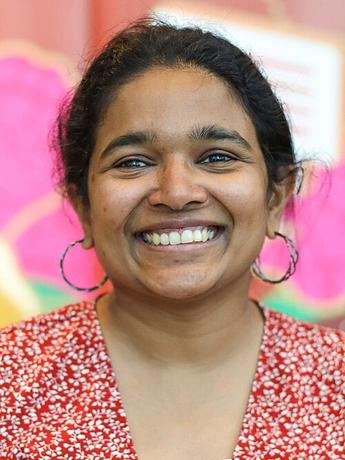
Netha Hussain is a volunteer at the Wikimedia movement since 2010. She has worked on content creation, research, and outreach surrounding gender and medicine. Her recent work is in mapping and bridging the knowledge gaps in women's health on Wikipedia. Outside of Wikimedia, she is a medical doctor and researcher working at the Sahlgrenska University Hospital, Gothenburg, Sweden.
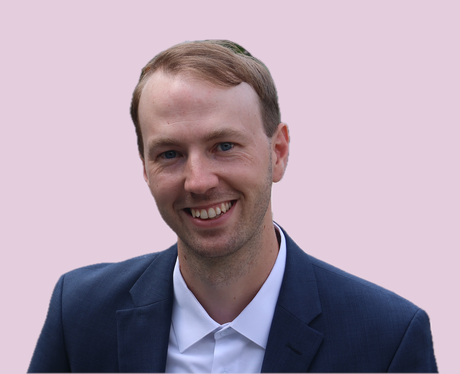
Informed from a career in tech and product development, I've returned to the editing community focusing on how tech can help local knowledge grow. I'm excited to share modern tech solutions to knowledge gap challenges and connect with others who are passionate about it.